€2,161.65
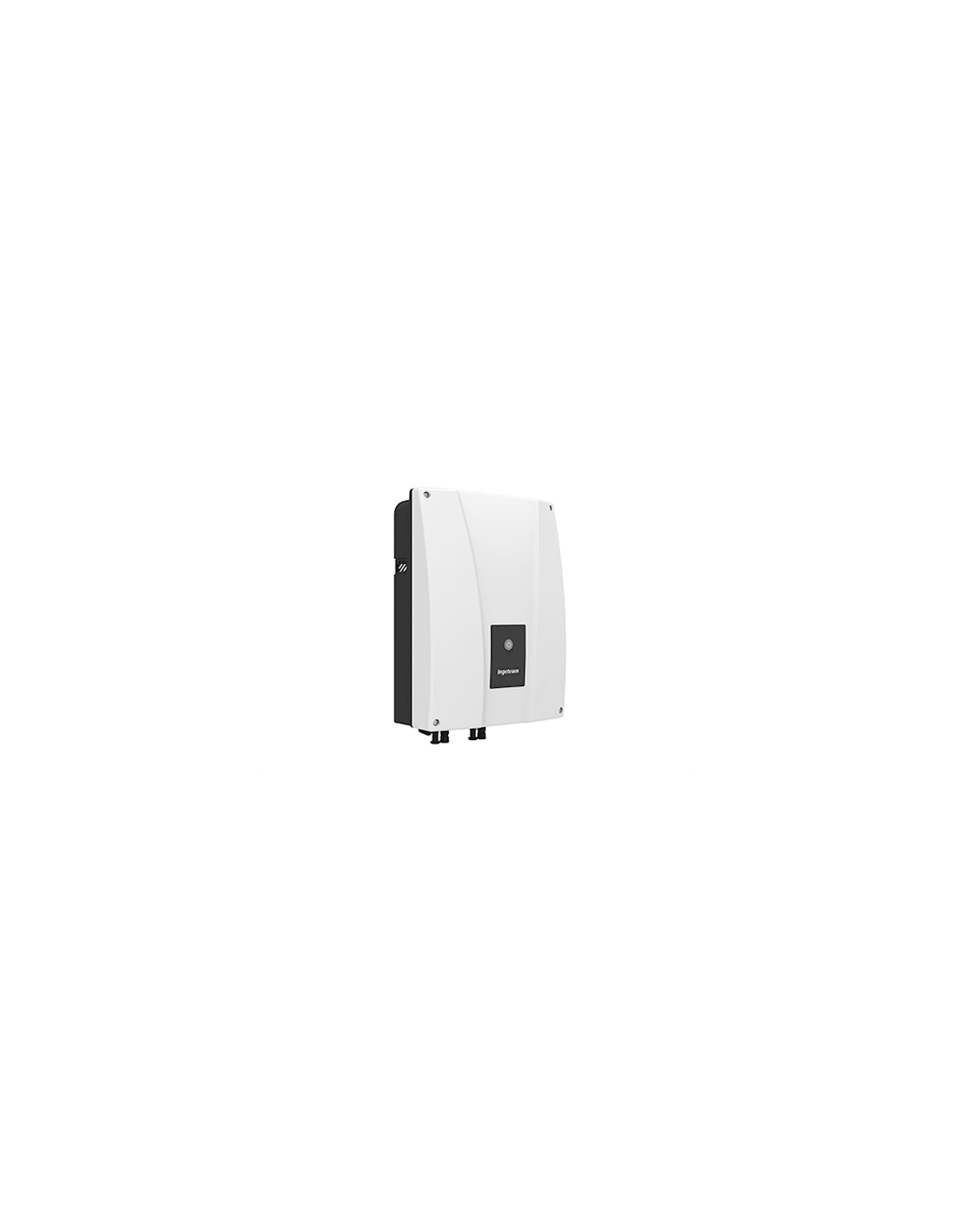
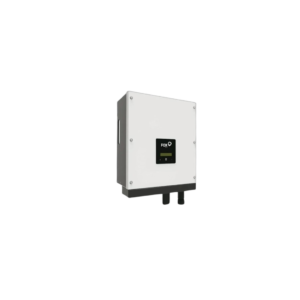
Inverter hybrid self-consumption Ingeteam Ingecon Sun Storage 6TL
The Sun Storage 6TL has 4 operating modes and can be used both in isolated systems and those connected to the network, up to a maximum power of 10,000 WP. This inverter It also has a technology that controls the loading and unloading of the storage system, reaching the useful life of the battery maximum
Operating modes:
– Isolated
It works autonomously thanks to the entrance from the Solar photovoltaic. The inverter Create an autonomous alternative network. The generated energy goes directly to the loads, which allows to increase the life of the batteries, in case of surpluses, these are saved in the battery bank by the time the generation is not enough. You can connect an auxiliary source that connects only when the status of the batteries decrease below a limit.
– Back-up mode
System for connection to the network where the network is not very reliable. The inverter It connects to the network and keeps the batteries loaded, in case of failure this generates the internal network of the house with the energy of the batteries. It can be used for Peak Shaving strategies, which allows to reduce the necessary contracted power.
– Self-consumption mode
For systems connected to a network that aim to reduce the consumption of electricity from the network. If the generation of the It exceeds the demand from the household, the surplus is stored in the batteries, and the energy of these batteries will always be consleered preferably before re-using the network, in this way the self-consumption ratio is increased. If the batteries are loaded, it allows the injection of electricity in the network. Peak Shaving can also be implemented that allows to reduce the hired power and also save the fixed term of the invoice.
– Network support mode
If used in conjunction with the EMS Manager ingenon, it allows to set the photovoltaic power output value to adapt it to the needs that are required.
The Ingecon Sun Storage allows to feed home consumption directly from the Photovoltaic without going through the batteries. In case there is surplus this can go to batteries as storage to use when the generation does not cover consumption.
It has a battery management system, allows an auxiliary generator to be connected, it also has a photovoltaic entrance, it is 100% compatible with the Sun E Ingecon Wind.
The recommended battery bank is 72 V (for example 6 parallel batteries of 12V), although it can work on battery bank voltages between 48 and 320 V.
Can use Photovoltaic of isolated or network connection, as long as the 300 VDC are reached. It has two entrances, although one can only be used one.
3 years warranty expandable up to 25.
Features
| FV input (DC) | ||
| Maximum power | 10kwp | |
| Range of MPP voltage | 330 – 450 V | |
| Tension range | 300 – 550 V | |
| Maximum current | 30 a | |
| Input values | 2 | |
| Mppt | 1 | |
| Input Batteries (DC) | ||
| Nominal battery voltage | 96 – 330 V | |
| Extended battery voltage | 96 – 420 V | |
| Minimum work tension | 40 V | |
| Current loading / maximum discharge | 50 a | |
| Battery | LEAD, NI-CD, LI-ION | |
| Generator / Network Input (AC) | ||
| Nominal voltage | 230 V | |
| Tension range | 172 – 264 V | |
| Nominal frequency | 50/60 Hz | |
| Frequency range | 40 – 70 Hz | |
| Loading range | 0 – 26 a | |
| Maximum power generator or network | 11,500 W | |
| Departure values (AC) | ||
| Nominal power | 6 kW | |
| Power (25 ºC) 30 min, 2 min, 3 S (5) | 6,400 / 6,900 / 7,900 W | |
| Current | 26 a | |
| Nominal voltage | 220 – 240 V | |
| Nominal frequency | 50/60 Hz | |
| Performance | ||
| Maximum efficiency | 96% | |
| General data | ||
| Consumption in stand-by | ||
| Operating temperature | -20 ºC at +65 ° C | |
| Relative humidity (without condensation) | 0 – 95% | |
| Degree | Ip65 | |
| Power (KW) | |
|---|---|
| Phase Type | Single phase |
| Max Current Input (A) | 20+ |
| Compatibility list | BYD HVS / HVM, BYD LVL, Dyness BX51100, Dyness Power Box, Huawei LUNA200, Pylontech UP2500, Pylontech US2000C / US3000C / US5000, Pylontech US3000C, Pylontech US5000 / Force L2, Turbo Energy (Slim) |
Reviews
There are no reviews yet.